Introduction
Buying new construction in Austin is an exciting option for many homebuyers, but for some buyers — especially those on work visas — it can come with hidden risks. Over the past year, I’ve made a noticeable shift in my advice to certain buyers in the Austin real estate market — particularly those who are here on work visas.
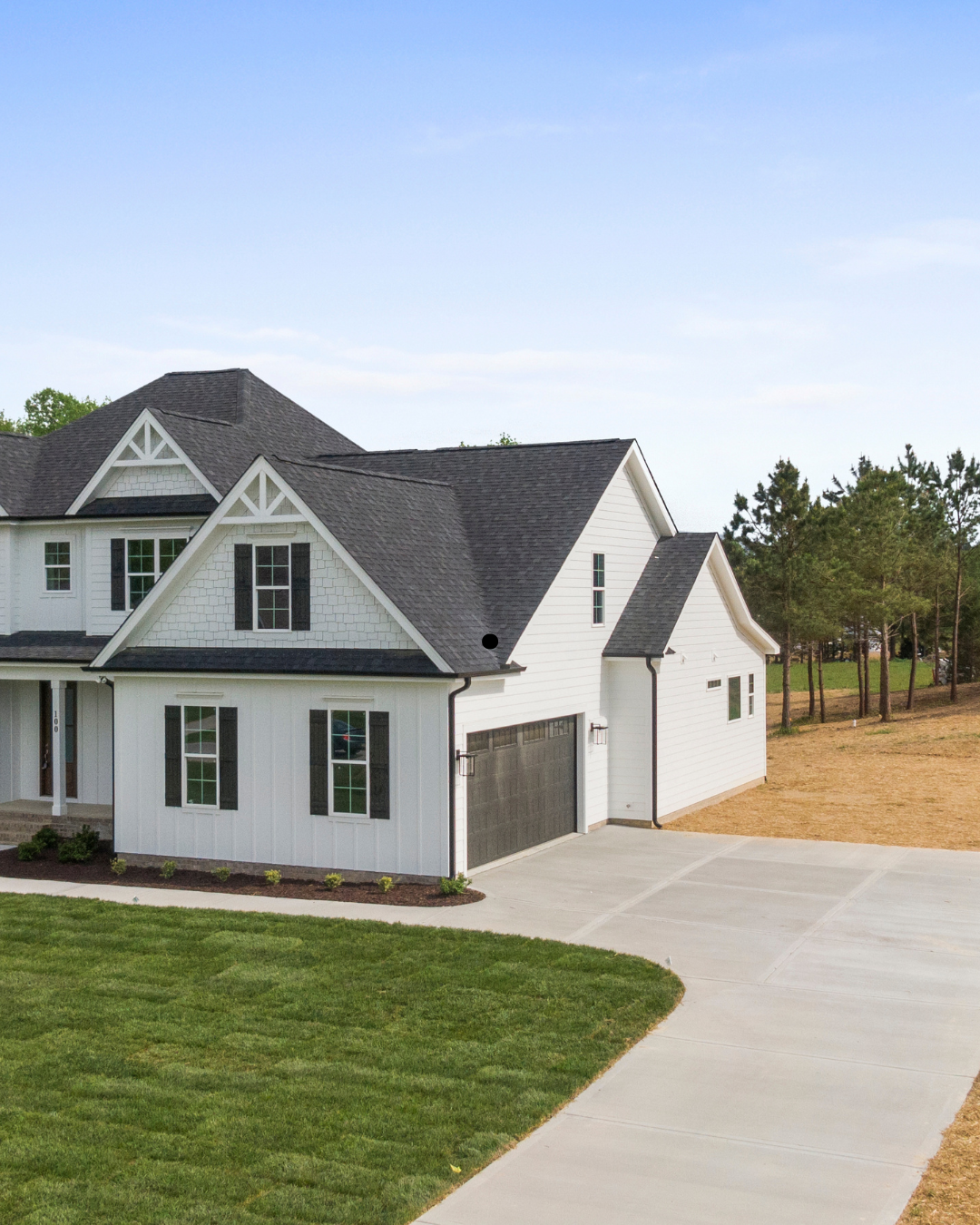
This is not about disliking new construction. I genuinely appreciate new homes. They are modern, energy-efficient, beautifully designed, and builder incentives can look very attractive on paper.
However, real estate decisions should never be driven purely by emotion. They should be grounded in risk assessment, timing, and most importantly, exit strategy.
For many of my clients on H1B, L1, and other work visas, new construction has become a higher-risk decision in today’s Austin housing market.
Understanding the Buyer Profile
Many of my clients are professionals working in tech and corporate roles who have moved to Austin on temporary work visas.
These buyers are often:
- High income earners
- Have strong credit profiles
- Hold stable jobs with large companies
However, the reality is that visa status and employment situations can change quickly.
Layoffs, company restructuring, or immigration policy changes can alter a buyer’s situation overnight.
When residency status or employment stability has uncertainty attached to it, your real estate strategy must prioritize flexibility and risk management.
The ability to pivot quickly becomes extremely important.
Risk #1: New Construction Is Often Priced Higher Than Resale Homes
Although the Austin housing market has experienced price corrections, many homes built within the last three years were originally sold at peak market pricing.
Even after adjustments, new construction homes are often priced higher than comparable resale homes in the same area — sometimes even within a one-mile radius.
Builders price homes based on:
- Construction costs
- Profit margins
- Inventory targets
This pricing model does not always align with realistic resale value in the short term.
If a buyer on a work visa needs to sell within 2–4 years, appreciation may be limited.
Once you account for:
- Real estate commissions
- Closing costs
- Market competition
breaking even can become difficult. In some cases, sellers may even need to accept a loss.
For visa holders, this shorter resale timeline is not theoretical — it is a very real possibility.
Risk #2: Competing Against the Builder When Reselling
Another major factor many buyers overlook is future competition from the builder.
When you purchase in a brand-new community, the builder is often still selling inventory for several years.
Builders frequently offer incentives such as:
- Interest rate buy-downs
- Closing cost credits
- Upgrade packages
These are advantages that individual resale sellers cannot compete with.
When the time comes to sell your two-year-old home, buyers in the neighborhood often prefer a brand-new, never-lived-in home with builder incentives.
As a result, resale sellers may need to:
- Reduce price
- Compete with new inventory
- Accept slower buyer demand
I have seen this situation play out repeatedly in the Austin real estate market over the past year.
Why This Impacts Work Visa Buyers More
For permanent residents or homeowners planning to stay long term, market fluctuations are manageable.
They can simply wait for the market to recover.
Time becomes their advantage.
For buyers on temporary work visas, however, time is not always available.
If employment changes or relocation becomes necessary, selling the home quickly may become unavoidable.
Renting the property may not produce positive cash flow — especially if the home was purchased at peak pricing.
This is where financial pressure can begin.
What I’m Advising My Clients Instead
For many of my work visa clients buying homes in Austin, I am recommending a more strategic approach.
This includes:
- Buying in established neighborhoods with proven resale demand
- Purchasing homes slightly below market value when possible
- Choosing properties that could work as rental investments if needed
- Avoiding peak-priced builder inventory
- Prioritizing financial flexibility over novelty
Real estate should align with your life plan, not just your wishlist.
The Hard Truth About Appreciation in Austin
Austin experienced an unusual surge in home appreciation over the past few years.
However, that level of rapid growth cannot be assumed moving forward.
Buying a new construction home does not automatically guarantee equity.
Appreciation occurs when:
- Housing supply tightens
- Buyer demand exceeds inventory
In many new communities today, inventory levels remain high, which can limit upward pressure on pricing.
Assuming short-term gains in this environment can be risky.
Questions Every Buyer Should Ask Before Buying New Construction
If you are considering buying new construction — especially if you are on a work visa — ask yourself the following questions:
- How long am I realistically planning to stay in Austin?
- What happens if I need to sell within three years?
- Am I paying a premium simply for a “new” home?
- Will I be competing against the builder when I sell?
- Could this property work as a rental if needed?
Granite countertops and modern finishes may look appealing today, but a strong buying strategy protects your financial future.
Final Thoughts
I am not against new construction homes.
For buyers with long-term stability and a clear long-term plan, they can be an excellent option.
What I am cautious about is recommending high-risk purchases for clients whose employment or visa situations could change unexpectedly.
Real estate is not just about buying what looks good today.
It is about protecting your downside tomorrow.
If you are planning to buy a home in the Austin real estate market and you are here on a work visa, start with strategy first.
The best purchase is not always the newest home — it is the one that supports your long-term financial plan.
About The Author
